What Causes Clogged Pores (Comedonal Acne)? Causes, Fixes, and How Cleansing Helps
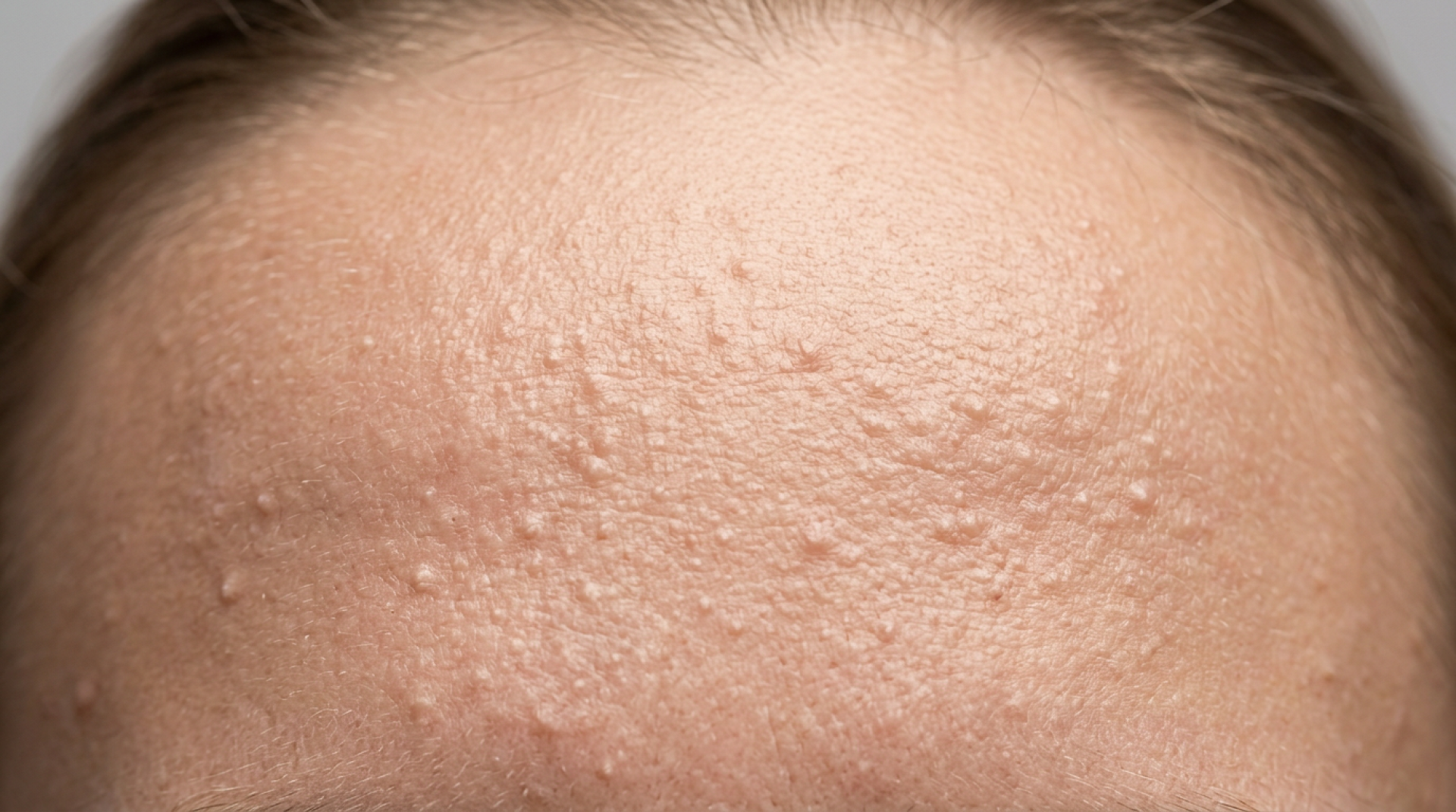
Many people with chronic clogged pores wonder why breakouts keep coming back in the same spots, no matter how carefully they take care of their skin every day. Part of the answer often isn't the serum or cream you're using — it's the actual root cause: blocked pores that were never properly addressed at the cleansing stage.
This article breaks down what causes clogged pores, the different types, and where an effective fix for clogged pores actually needs to start.
What Are Clogged Pores, Exactly?
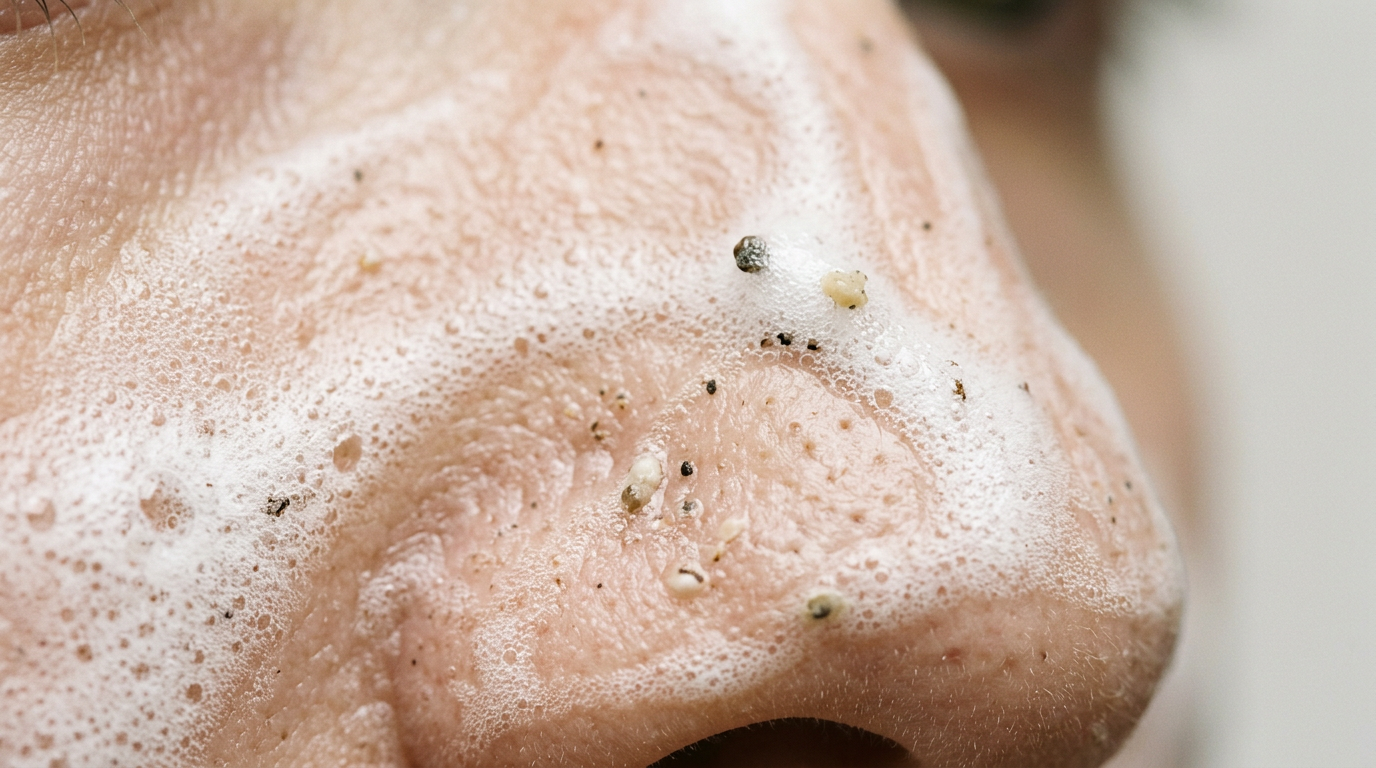
Clogged pores (comedonal acne) happen when a pore becomes blocked with sebum (oil), dead skin cells, and trapped debris — without any bacterial infection or inflammation involved yet. Unlike inflamed acne, which is red, swollen, and painful, clogged pores usually show up as small, skin-colored or slightly white bumps that feel like tiny hard lumps under the skin.
What Causes Clogged Pores
The causes of acne in this category usually come from several factors working together:
- Overactive oil glands producing excess sebum — especially common in people with naturally oily, acne-prone skin.
- Uneven skin cell turnover, which causes dead skin cells to build up and block the pore opening.
- Incomplete cleansing, or using a product that isn't specifically designed to clear pores — letting debris accumulate day after day without being properly removed.
- Using comedogenic skincare or makeup products that aren't fully removed each day.
All of these factors tie directly back to your cleansing routine — which is exactly why choosing the right cleanser for clogged pores has a bigger impact on managing this issue than most people realize.
Whiteheads, Blackheads, and Deep Bumps: What's the Difference?
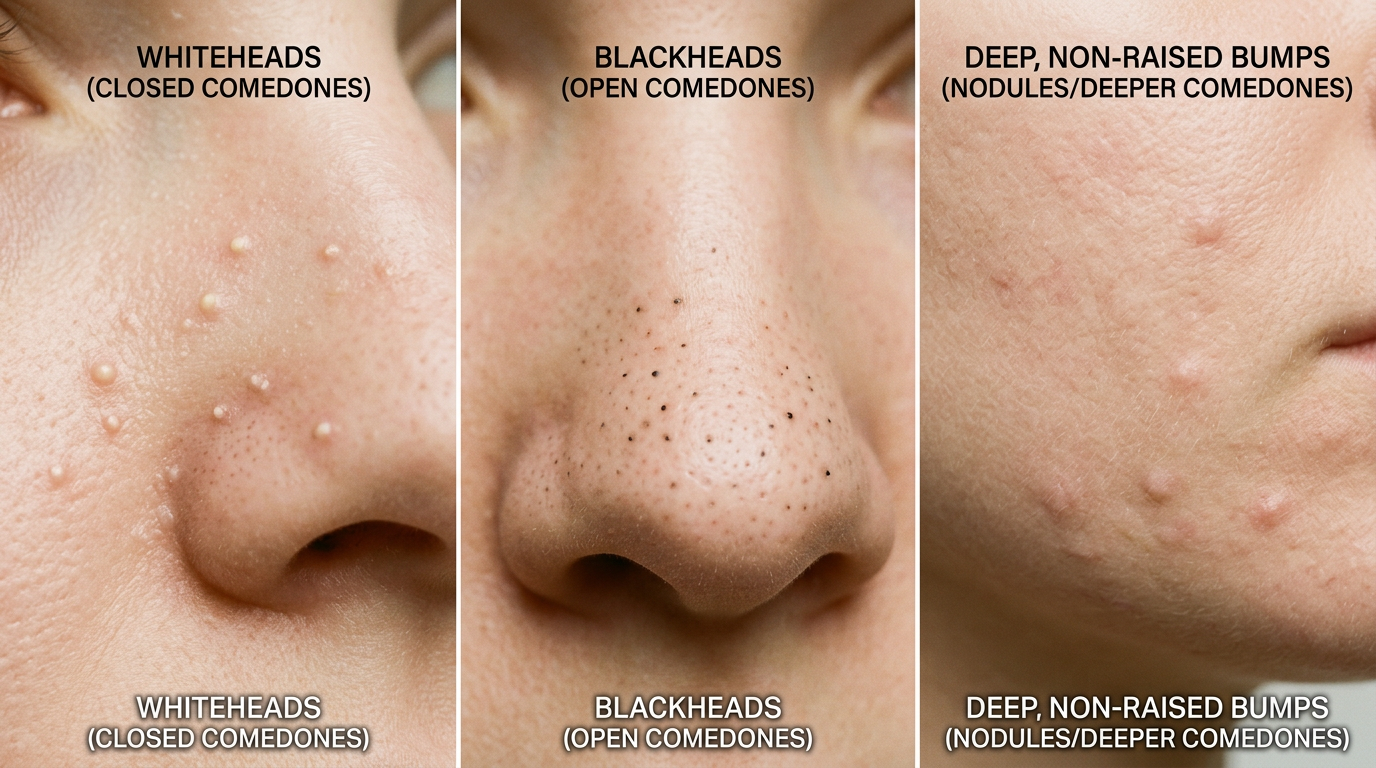
- Whiteheads (closed comedones) form when a pore is completely blocked, with no opening for air to reach the trapped material inside — appearing as a small, whitish raised bump under the skin.
- Blackheads (open comedones) form when the pore is blocked but open at the surface. Exposure to air causes the trapped oil and skin cells to oxidize, turning dark at the pore opening.
- Deep, "invisible" clogged pores usually sit further beneath the skin's surface — you can feel a hard lump, but there's no visible head. These typically form from prolonged buildup and are more likely to progress into inflamed acne if left unaddressed.
Knowing which type you're dealing with helps you choose the right approach to reduce clogged pores — but regardless of type, the single most important factor is preventing new blockages from forming in the first place, which starts with proper cleansing.
How to Treat Clogged Pores — and Why Your Cleanser Matters So Much
A common question is how to treat clogged pores effectively. The answer starts with how to clear pores at the cleansing stage. No matter how expensive your acne serum is, if your pores keep accumulating debris every day because of inadequate cleansing, clogged pores will keep coming back.
Generic cleansers that only focus on being "gentle" typically lack any ingredient that promotes cell turnover or actively clears pores. They may clean the surface of your skin, but they don't address the buildup sitting deeper inside the pore. What you actually need is a pore-clearing cleanser with targeted active ingredients.
What a Good Cleanser for Clogged Pores Should Contain
A cleanser built specifically to address clogged pores should include the following:
- Salicylic acid (BHA) cleanser — the key ingredient here, since it's oil-soluble and can penetrate deeper into the pore to dissolve trapped debris more effectively than typical cleansing agents. It also promotes exfoliation of built-up cells around the pore opening.
- Other exfoliating cleanser ingredients that support BHA's action — such as extracts that gently encourage cell turnover, reducing the buildup of old skin cells that block pores.
- Oil-controlling ingredients to reduce the excess sebum that causes blockages in the first place.
- Skin barrier–supporting ingredients — because exfoliation and oil control without barrier care can easily leave skin dry, tight, and irritated.
The key takeaway: a good cleanser for clogged pores can't just be "gentle" — it needs ingredients that actively work on the blockage itself, not a mild formula with no pore-clearing action at all.
How AVALANGE Addresses Clogged Pores
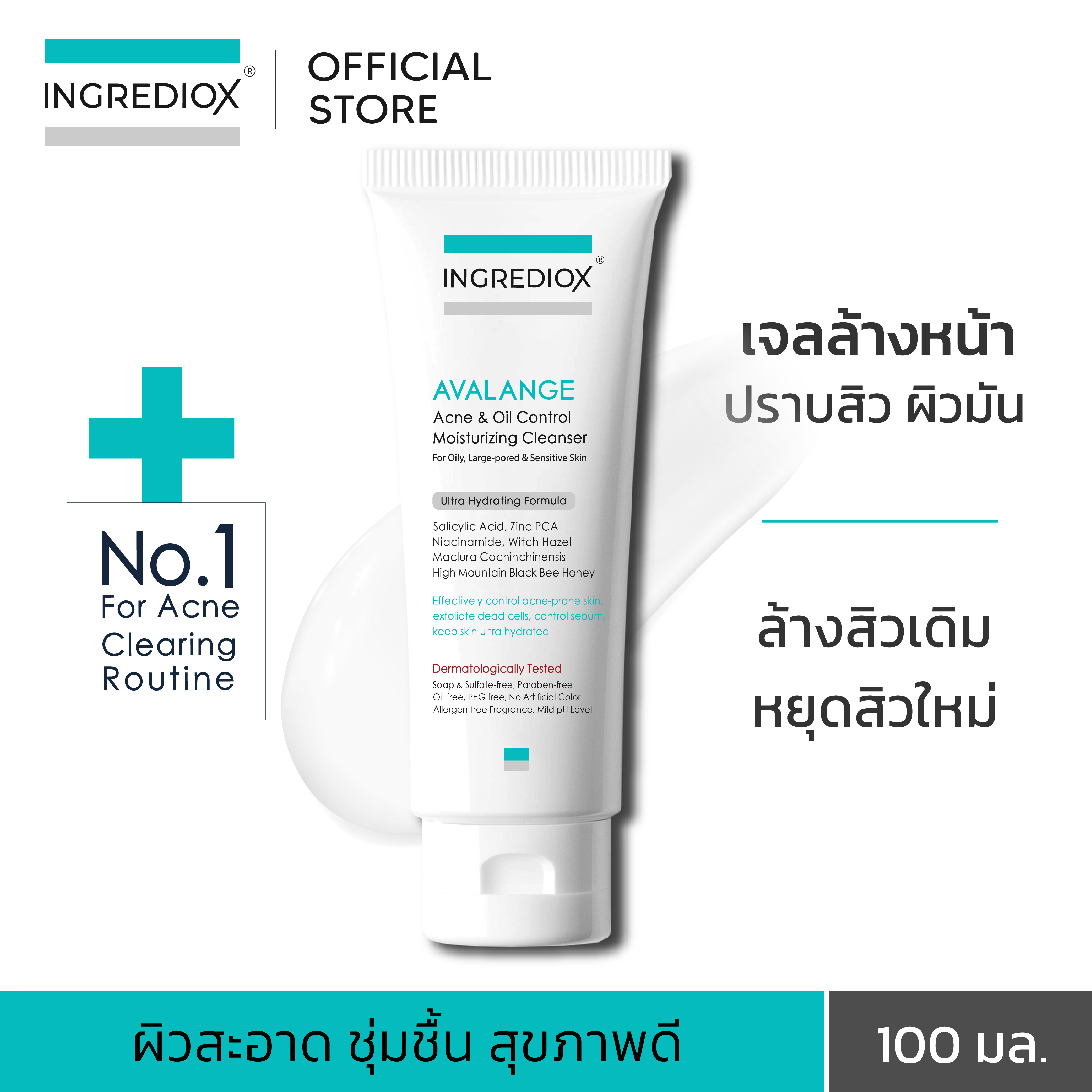
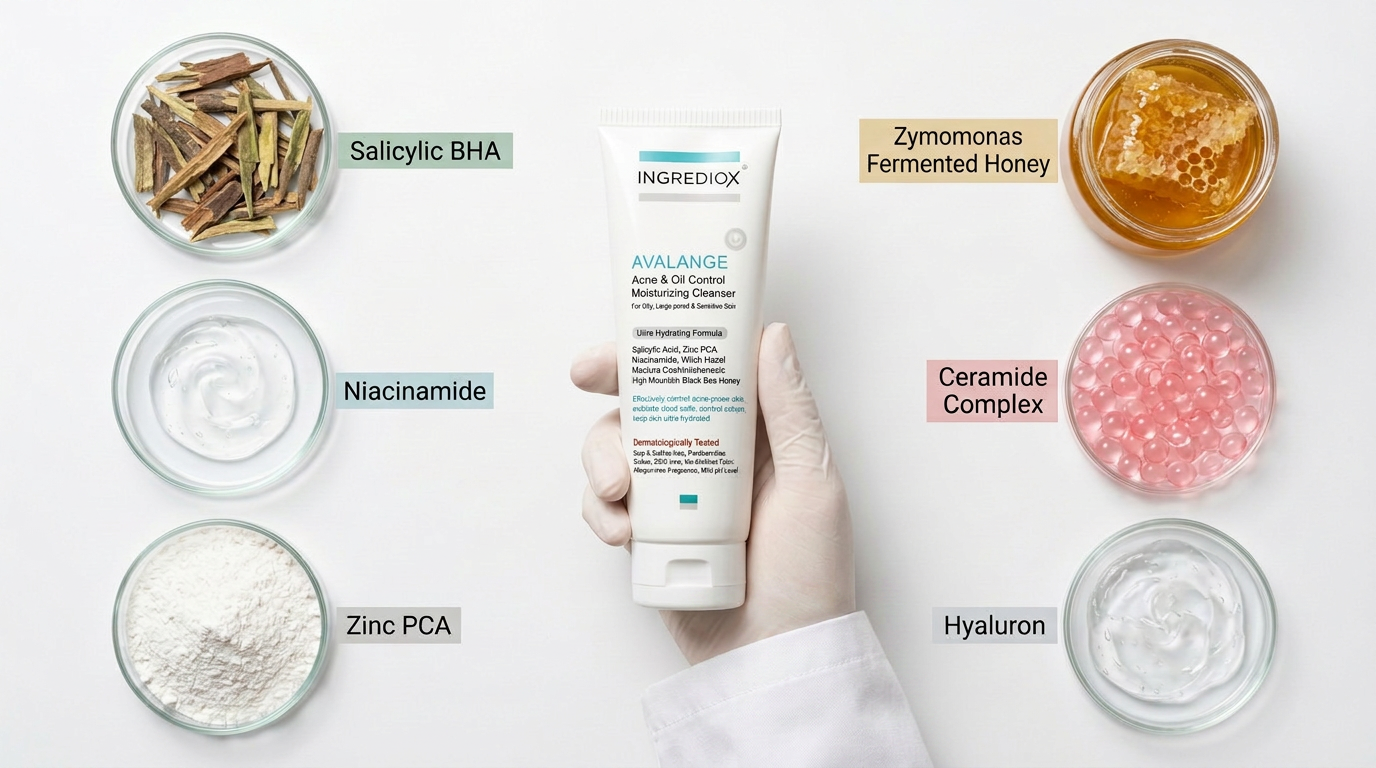
AVALANGE is one example of a cleanser built specifically to tackle this problem, formulated with 19 active ingredients that cover both pore-clearing and skin repair at once, including:
- Salicylic Acid (BHA) — directly exfoliates and clears pores, ideal for anyone specifically looking for a BHA cleanser for clogged pores.
- Zinc PCA and Zymomonas Ferment Extract — help control excess oil, reducing the chance of re-clogging in oily, acne-prone skin.
- Niacinamide — helps calm any mild irritation that can occur during the exfoliation process.
- Ceramide and Sodium Hyaluronate — repair the skin barrier at the same time, preventing dryness and tightness from the exfoliating action.
The formula is free from sulfates, SLS, SLES, and parabens, and has been clinically tested as non-irritating — making it suitable as a cleanser for reducing clogged pores for long-term, everyday use without compromising your skin barrier.
The Bottom Line
Clogged pores aren't a problem that spot-treatment serums alone can solve. Real progress starts with understanding what causes clogged pores and addressing the root cause through proper cleansing. Choosing a cleanser with pore-clearing ingredients like BHA, combined with oil control and barrier-repairing ingredients, offers a far more sustainable solution than only treating the surface-level symptoms.